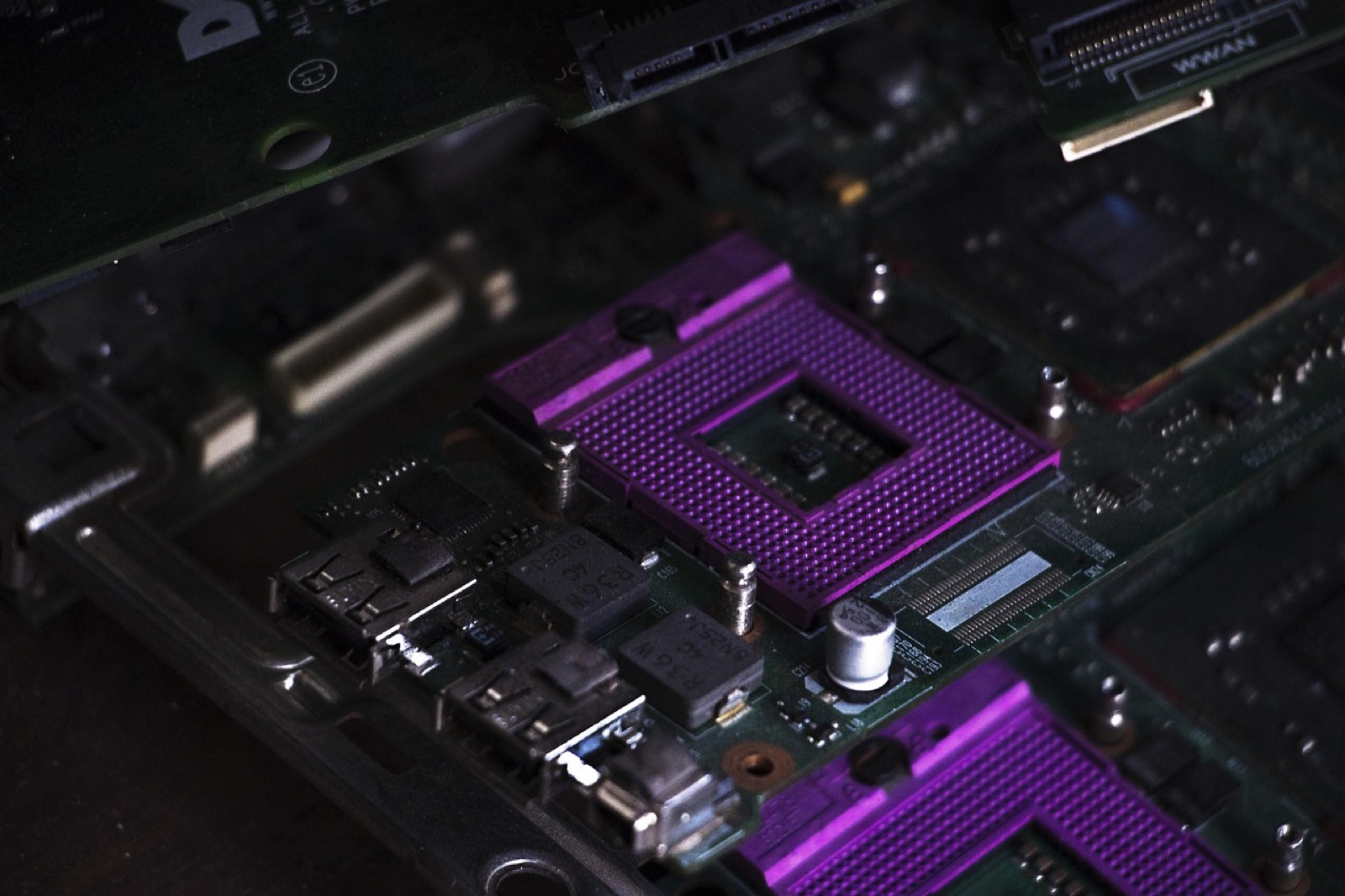
Quality control represents the backbone of reliable electronics manufacturing. This report examines the three-stage QC protocol—Incoming Quality Control (IQC), In-Process Quality Control (IPQC), and Outgoing Quality Control (OQC)—used by leading manufacturers to maintain defect rates below 0.3%. We analyze statistical process control methodologies, automated optical inspection systems, and the integration of AI-powered defect detection that has reduced inspection time by 40% while improving accuracy.
"Quality is not an act, it is a habit. In electronics manufacturing, consistency is the currency of trust."
Incoming Quality Control (IQC)
IQC is the first line of defense in manufacturing. It involves inspecting raw materials and components before they enter the production line. Effective IQC protocols verify that verified parts meet specifications, preventing costly defects downstream. Advanced IQC leverages X-ray inspection for component verification and automated testing equipment to ensure material integrity from the start.
In-Process Quality Control (IPQC)
IPQC monitors the manufacturing process in real-time. By implementing checkpoints at critical assembly stages—such as SMT reflow, through-hole assembly, and mechanical integration—manufacturers can detect and rectify anomalies immediately. This includes Automated Optical Inspection (AOI) to catch soldering defects and in-circuit testing (ICT) to verify electrical connectivity during assembly.
Outgoing Quality Control (OQC)
The final stage, OQC, ensures that finished products meet all functional and cosmetic standards before shipment. This involves rigorous functional testing, burn-in tests to weed out early failures, and cosmetic inspections. Leading manufacturers use sampling plans based on ISO 2859-1 standards to guarantee that outgoing batches maintain an Acceptable Quality Level (AQL) consistent with client expectations.
AI-Powered Defect Detection
The integration of Artificial Intelligence into quality control is revolutionizing the industry. AI algorithms trained on thousands of defect images can identify subtle anomalies that human inspectors might miss, such as micro-cracks or cold solder joints. This technology has demonstrated a 40% reduction in inspection time while significantly lowering false failure rates, enabling higher throughput without compromising quality.