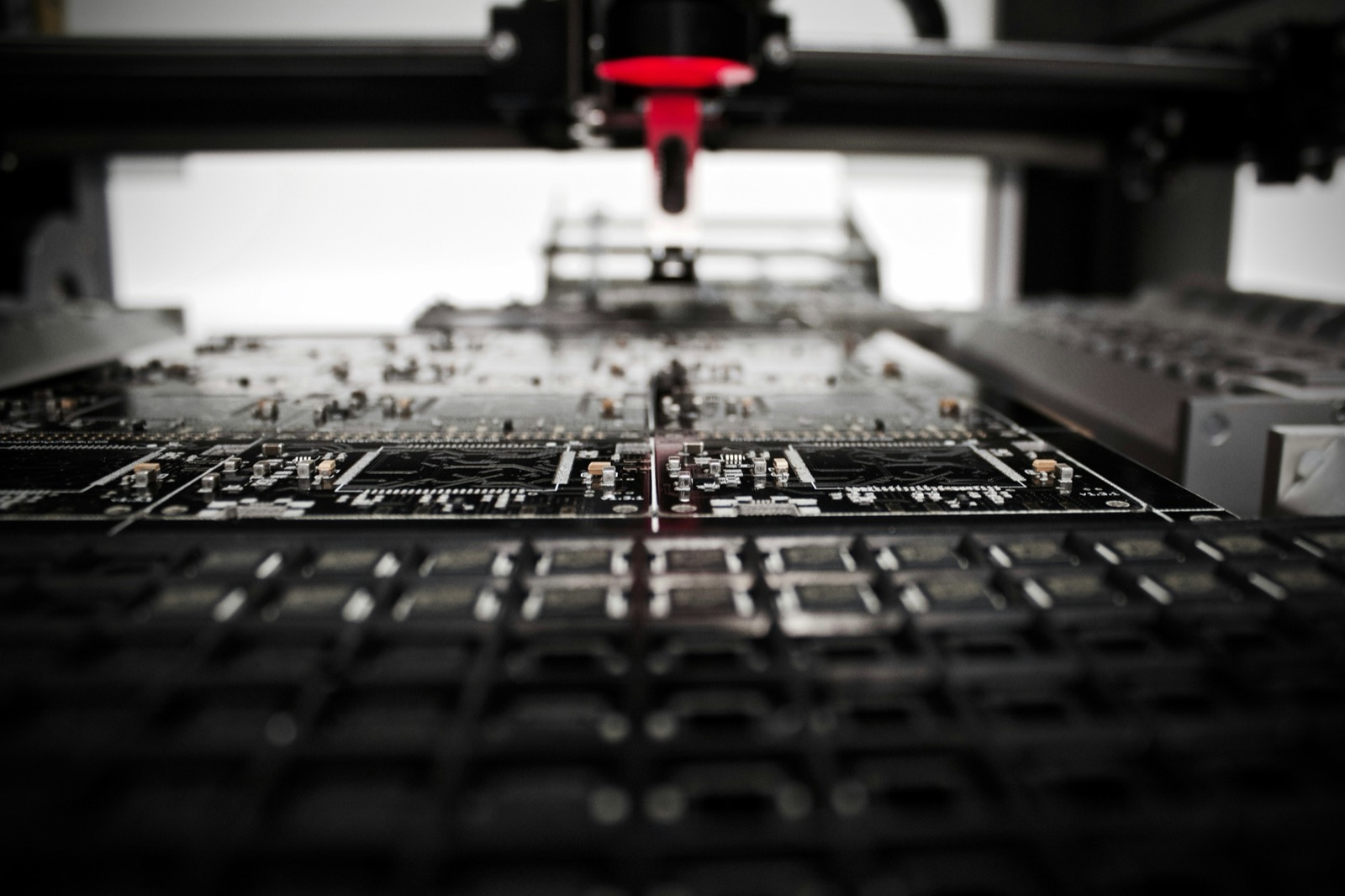
As semiconductor demand surges globally, manufacturers face unprecedented supply chain pressures. This report examines strategies for building resilient chip design workflows, from multi-sourcing critical materials to implementing advanced process nodes. We analyze how leading firms are adapting to geopolitical tensions and material shortages while maintaining quality standards.
"The semiconductor industry is the foundation of modern technology. Building resilience into our supply chains isn't optional—it's essential for innovation." - Morris Chang, Founder of TSMC
The Current Supply Chain Landscape
The global semiconductor supply chain has evolved into a complex, interdependent network spanning multiple continents. Taiwan, South Korea, and China dominate advanced chip manufacturing, while the United States and Europe lead in design and intellectual property. This geographic concentration creates significant vulnerabilities. Recent disruptions—from trade tensions to natural disasters—have exposed critical weaknesses, prompting industry leaders to rethink foundational strategies for sourcing materials, manufacturing capacity, and distribution logistics.
Multi-Sourcing Critical Materials
Silicon wafers, rare earth elements, and specialty chemicals form the backbone of semiconductor production. Leading manufacturers are now diversifying their supplier base across multiple geographic regions to mitigate concentration risk. Companies like Intel and Samsung have established procurement teams dedicated to identifying alternative sources for critical materials, particularly for gallium, germanium, and high-purity neon gas. This multi-sourcing approach increases operational complexity but significantly reduces vulnerability to single-point failures in the supply chain.
Advanced Process Node Implementation
The transition to 3nm and 2nm process nodes represents both an opportunity and a challenge for supply chain resilience. These advanced nodes require extreme ultraviolet (EUV) lithography equipment, available exclusively from ASML in the Netherlands. Forward-thinking semiconductor companies are investing heavily in long-term partnerships with equipment suppliers while simultaneously developing fallback plans using mature process nodes for critical applications. This dual-track approach ensures production continuity even when cutting-edge technology faces supply constraints.
Geopolitical Risk Mitigation
Trade restrictions, export controls, and shifting diplomatic relationships have fundamentally altered semiconductor supply chain planning. The CHIPS Act in the United States, the European Chips Act, and similar initiatives in Japan and South Korea reflect a global trend toward regional self-sufficiency. Manufacturers are responding by establishing fabrication facilities across multiple jurisdictions, creating redundant manufacturing capacity that can absorb shocks from policy changes. This geographic diversification requires substantial capital investment but provides essential protection against regulatory disruption.
Quality assurance becomes exponentially more complex in a diversified supply chain. Companies must implement rigorous testing protocols across all manufacturing sites and material sources to ensure consistency. Leading semiconductor manufacturers are deploying AI-powered inspection systems that can detect nanometer-scale defects in real-time, maintaining quality standards even as production scales across multiple facilities worldwide.
"Supply chain resilience in semiconductors isn't about building walls—it's about building bridges. Multiple qualified suppliers, distributed manufacturing, and flexible logistics create the redundancy we need." - Lisa Su, CEO of AMD
The semiconductor industry's response to supply chain challenges demonstrates remarkable adaptability. Companies that embrace multi-sourcing, invest in advanced process technology, diversify geographically, and maintain unwavering quality standards position themselves to thrive in an increasingly uncertain global environment. The path forward requires substantial capital investment, strategic partnerships, and a fundamental commitment to building redundancy into every aspect of chip design and manufacturing.
As global demand for semiconductors continues accelerating—driven by artificial intelligence, electric vehicles, and edge computing—supply chain resilience will separate industry leaders from those left behind. The companies that successfully navigate these challenges won't just survive the next disruption; they'll be positioned to capture the enormous growth opportunities emerging in the semiconductor sector over the next decade.