Effective Design for Manufacturing (DFM) strategies can reduce manufacturing costs by 20-30% and accelerate time-to-market by several months. This analysis explores critical DFM principles including component standardization, tolerance optimization, assembly simplification, and material selection. We examine case studies where early DFM intervention prevented costly tooling revisions and enabled successful mass production ramps.
"Design is not just what it looks like and feels like. Design is how it works... and how it's built."
Component Standardization
Standardizing components across product lines is a cornerstone of DFM. By selecting commonly available, off-the-shelf parts defined in the Approved Vendor List (AVL), engineers can reduce procurement costs and avoid supply chain bottlenecks. This approach minimizes the risk of obsolescence and simplifies inventory management, allowing for smoother production scaling.
PCB Layout Optimization
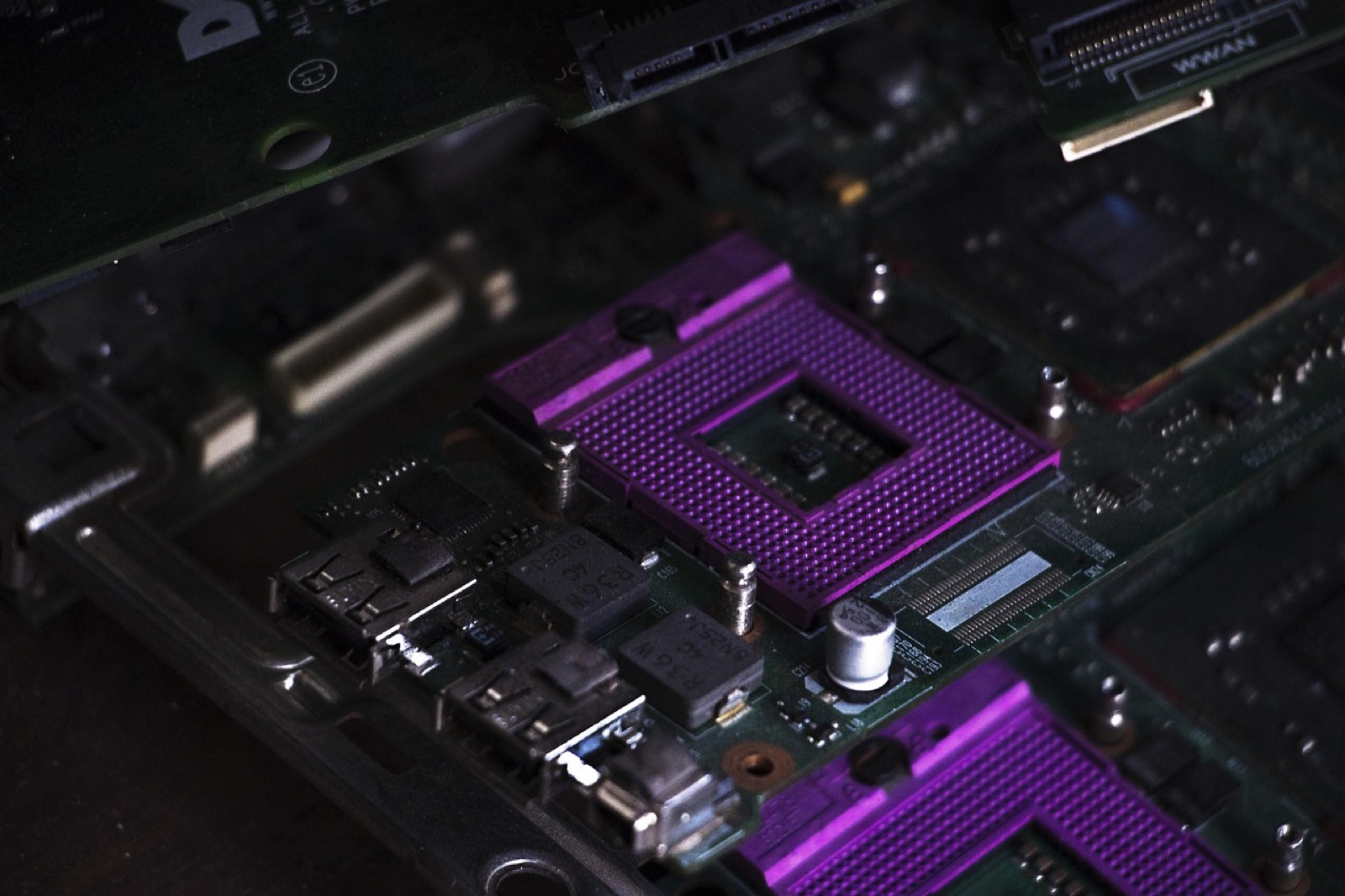
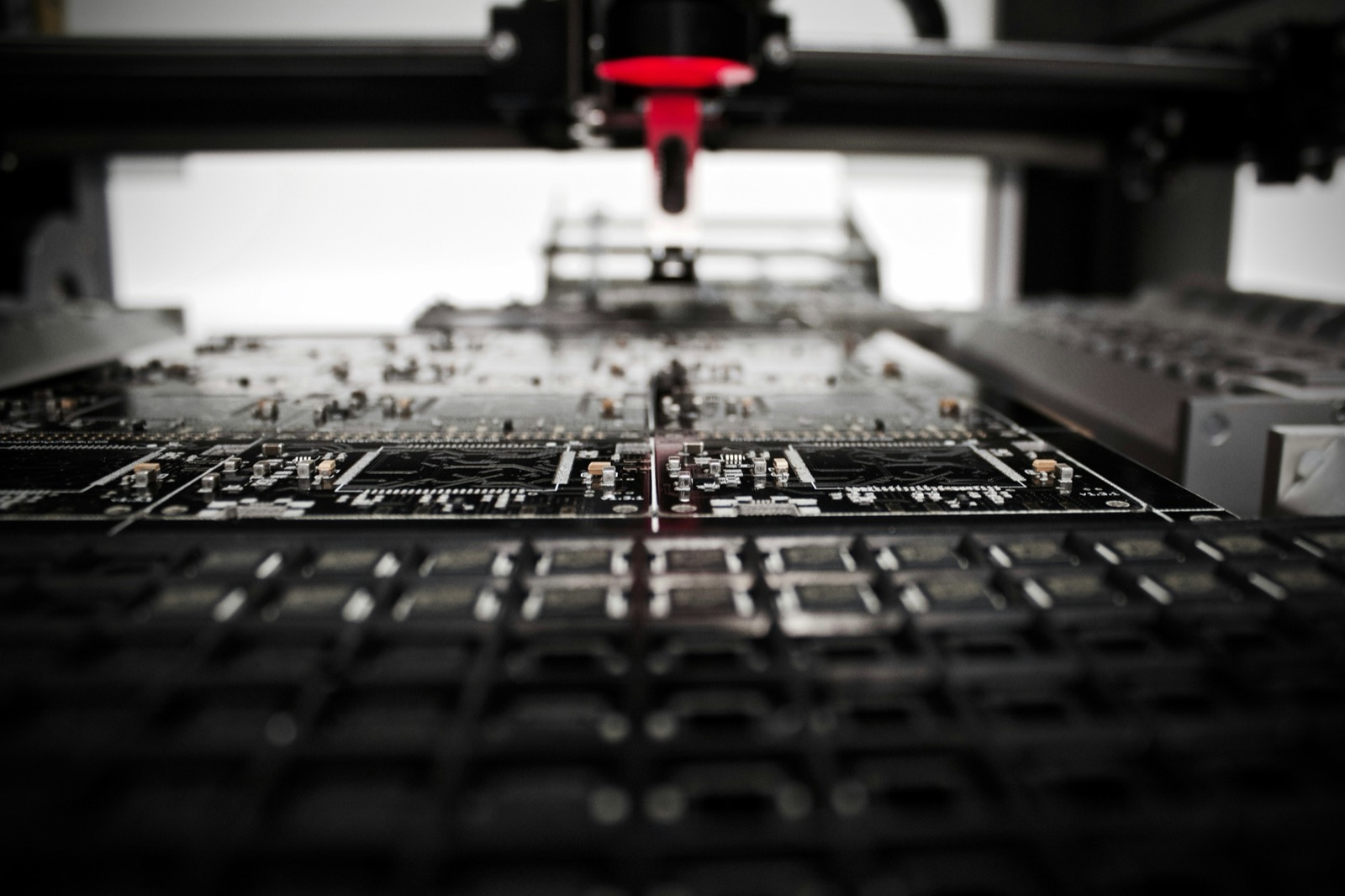
For electronics, DFM starts at the board level. Optimizing PCB layout for automated assembly involves setting appropriate component clearances, fiducial marker placement, and panelization strategies. Ensuring that the design is compatible with Pick-and-Place machines and reflow ovens reduces assembly errors and rework, directly impacting yield rates and per-unit costs.
Assembly Simplification
Reducing the number of processing steps is key to efficiency. Techniques such as designing for top-side only assembly, minimizing the use of screws in favor of snap-fits, and reducing part counts streamline the assembly line. Simplified assembly not only lowers labor costs but also reduces the likelihood of human error during production.
Thermal and Enclosure Management
DFM extends to mechanical design, where considerations for injection molding—such as draft angles and uniform wall thickness—are crucial. Furthermore, integrating thermal management solutions early in the design phase ensures reliability without requiring expensive, exotic cooling solutions later. Proper enclosure design facilitates easier assembly and better structural integrity, contributing to a robust final product.