Tooling and mold development represents a significant upfront investment in plastic injection molding, typically ranging from $5,000 to $100,000+. This technical guide examines the complete mold development lifecycle, including cavity design, cooling channel optimization, and material selection. We analyze trade-offs between aluminum and steel tooling and family mold configurations regarding cost and longevity.
"The mold frames the product. Precision in tooling translates directly to perfection in the part."
The Mold Development Lifecycle
The lifecycle begins with DFM analysis to ensure the part is moldable. This involves checking wall thickness consistency, draft angles, and simple parting lines. Once the design is frozen, the mold design phase details the cavity, core, and slider mechanisms. Following fabrication (CNC machining and EDM), the T0 and T1 trial shots validate the mold's performance, leading to final texturing and production approval.
Steel vs. Aluminum Tooling
Material selection for the mold base significantly impacts cost and lifespan. Aluminum molds are faster and cheaper to machine, making them ideal for prototyping or low-volume runs (under 10,000 units). Steel molds (e.g., P20, NAK80) require higher initial investment and lead time but offer superior durability, thermal stability, and surface finish for mass production (100,000+ shots).
Family Molds and Multi-Cavity Setups
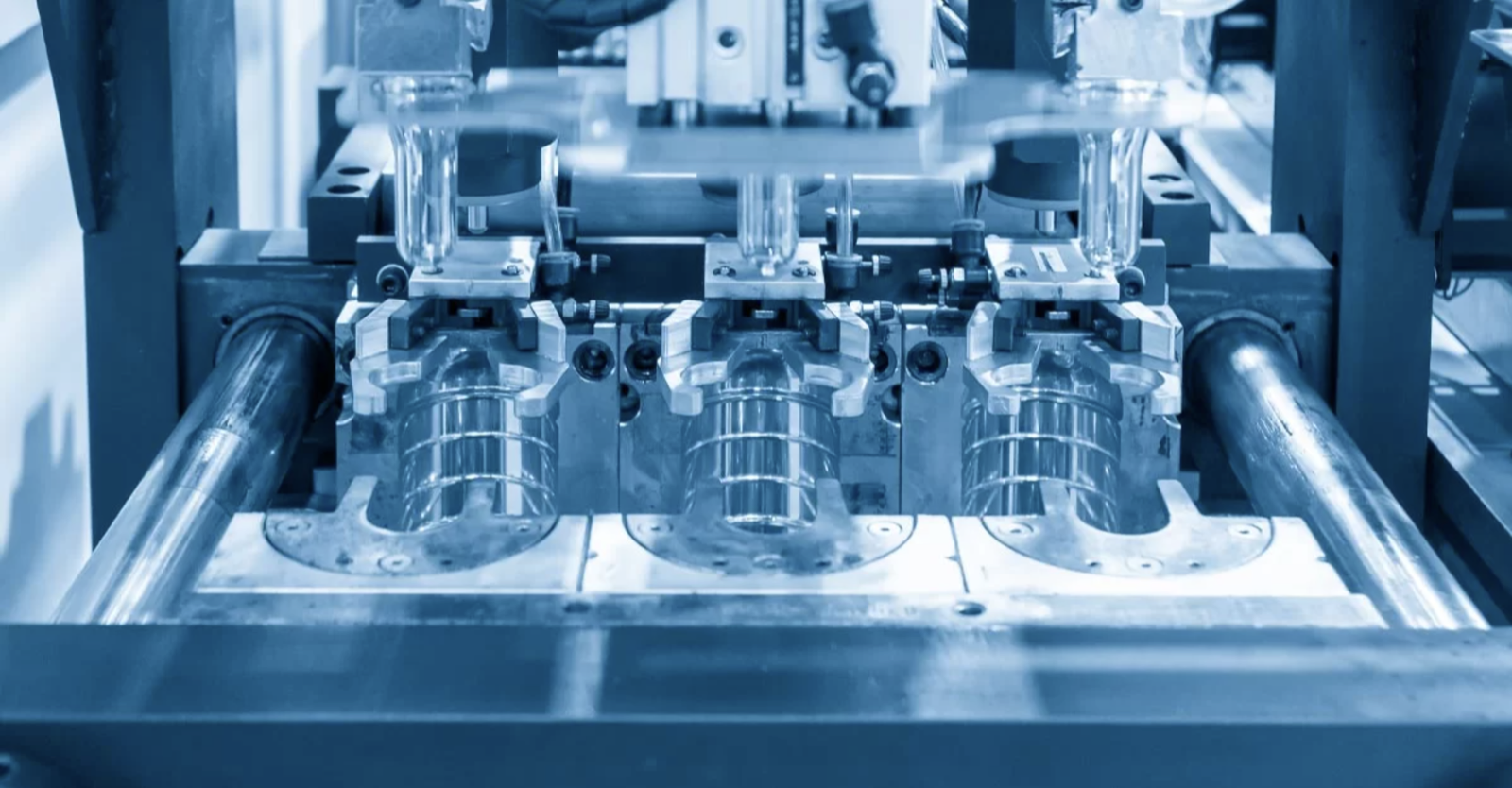
To reduce unit costs, manufacturers often use multi-cavity molds or family molds. A family mold produces all plastic parts for a device in a single shot. While this reduces tooling costs initially, it creates challenges in balancing flow and cooling if parts have vastly different volumes. Dedicated multi-cavity molds for high-volume parts are often the more robust solution for long-term production stability.
Cycle Time Efficiency
The economics of injection molding are driven by cycle time. Efficient cooling channel design (conformal cooling) determines how fast a part solidifies and can be ejected. Optimizing the cooling phase can reduce cycle times by seconds, which translates to significant savings over millions of units. Investing in better cooling engineering upfront pays dividends in production throughput.